Blog
Free evidence-based resources, activities, tools, and tips for caregivers of young children
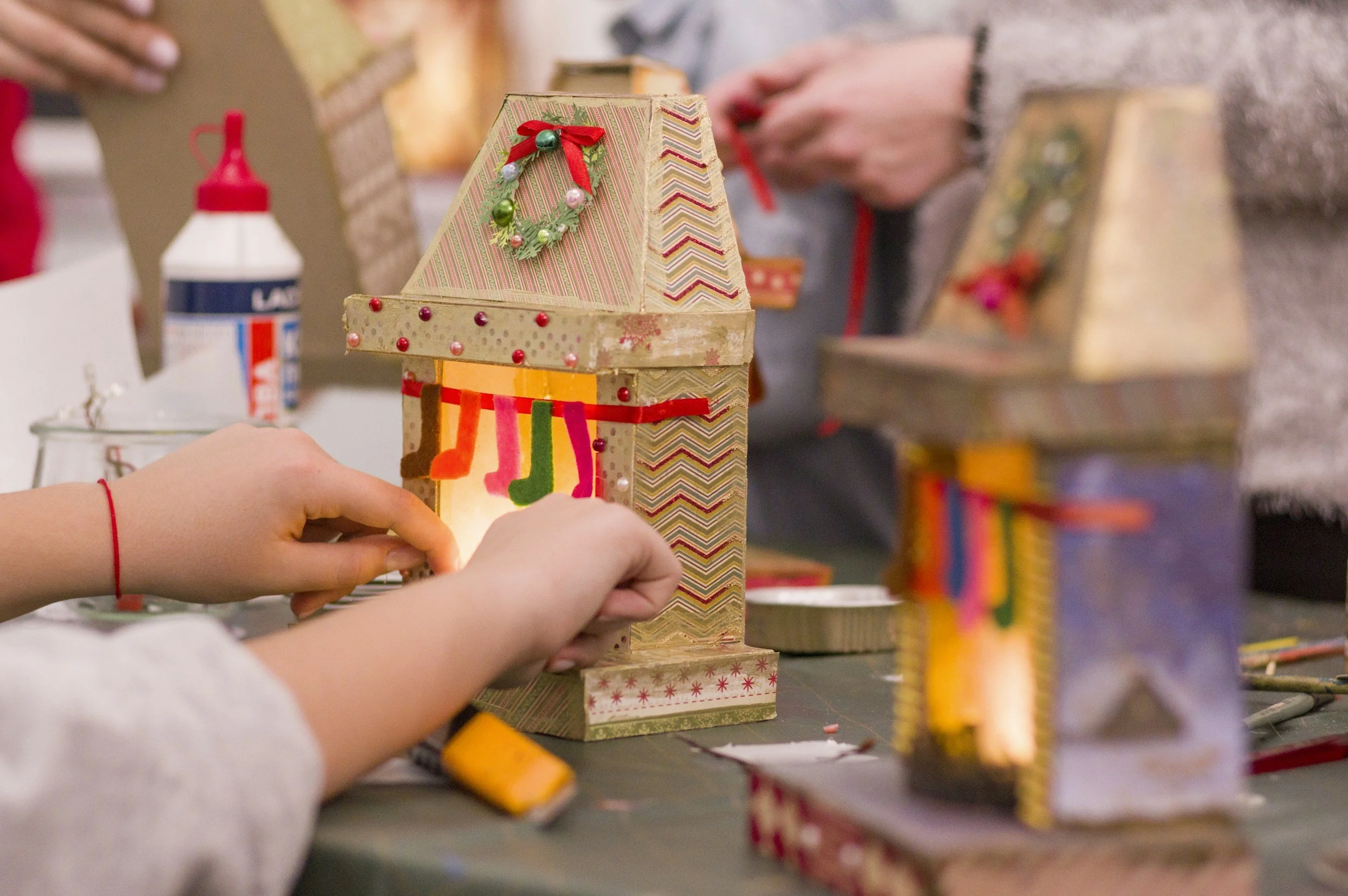
3 (Toddler-Friendly!) Holiday Crafts Children Can Actually Help With
…as many of us start breaking down cardboard boxes, let’s talk about some (toddler-friendly!) ways we can repurpose everyday items around the house to stay present, create magic, and honor some ‘ancient’ winter traditions as we craft orange garlands, holiday villages, and wreaths.

Trash or Treasure? Recycling Everyday Items for Children’s Play
While we need props, toys, and engaging items that can entertain children, receive them, receive their creativity, and support their learning, keeping these items in stock can become overwhelming, burdensome, and costly to childcare providers and families.
This resource is designed to give you some inspiration for items you may have lying around that could be reused in new ways for play. While some might mirror more realistic use of the items, they don’t have to. These items can be repurposed for dramatic play, object play, art, experimentation, or simple deconstruction.
For each category, I provide examples of items along with ideas and “inspiration for play.” However, like all our Connect and Grow in ECE resources, as we reimagine the use of these particular items, the idea is that we get our minds moving in a new direction with new ways of reducing waste and finding materials to repurpose for play.

On “Floaties” and Learning To Swim
“Puddle jumpers” or “floaties,” as we’ve come to call them, are a type of personal flotation device for children that have become incredibly popular. From a parent perspective, floaties appear to be a safe way to be more “hands off” with kids in the water as they splash around and have fun. From a child’s perspective, floaties become a comfort and relief as they allow them to be mobile, independent, and best of all–they keep their faces out of the water.
However, many swim instructors stand on their soap boxes and beg parents and families to please stop the overwhelming use of these devices. While floaties may give us the illusion of independence, when misused as a constant swimming “prop,” they have a tendency to set children back as they learn to swim and create fear.
Let’s unpack the facts together so we are prepared to use these devices effectively as we support our children in and out of the water.

Songs to Pair When Kids Need to “Get the Wiggles Out”
This resource gives educators, family members, and other caregivers some active and calming songs to pair during transitions, “brain breaks,” or when you just need to “herd the cats.”

Understanding Play: Why, how, and when play happens
Despite the ubiquitous nature of play, it remains one of our most misunderstood and underutilized methods of promoting meaningful learning. It is deeply unfortunate that we have this tendency to trivialize play and treat it as a pastime, because it holds enormous potential.
You see, play is more than just a human activity—it is an activity that we see in other animals as well. While we used to think of this as only a mammal behavior, scientists now see that non-mammals play, too. Why?