Blog
Free evidence-based resources, activities, tools, and tips for caregivers of young children

Valuing Intuition in Early Care
…whether we capture and communicate them well or not, these little flashes of magic, where we teach a young child to regain control of their breath and really choose with consideration for others what their next interaction with the world will be, these pieces of the experience cannot continue to slip through the cracks in our current measurements and definitions of quality. Why? Because individuals providing direct care to young children do not have the choice to exclude these ever-emerging and ever-subjective aspects of humanity from their consideration. They must face them head on, with minimal processing time, every single day.
There is a particularly important piece of our humanity that we tend to overlook and thus undervalue in ECE and beyond. I specifically bring it forward today because despite the fact that we ignore it, we expect to see it intact in both children and their caregivers. Though seemingly mystical, it is quite straightforward: intuition.
In this psychological phenomenon–where the lines between thinking and feeling are blurred–our inner world inexplicably tells us something about our outer world. While this shapeshifter might come in the form of an epiphany, a reassurance, a knowing, or a warning, it is a part of our humanity, and thus a part of our children’s experience in this world. As such, it deserves our care, consideration, and valuation.
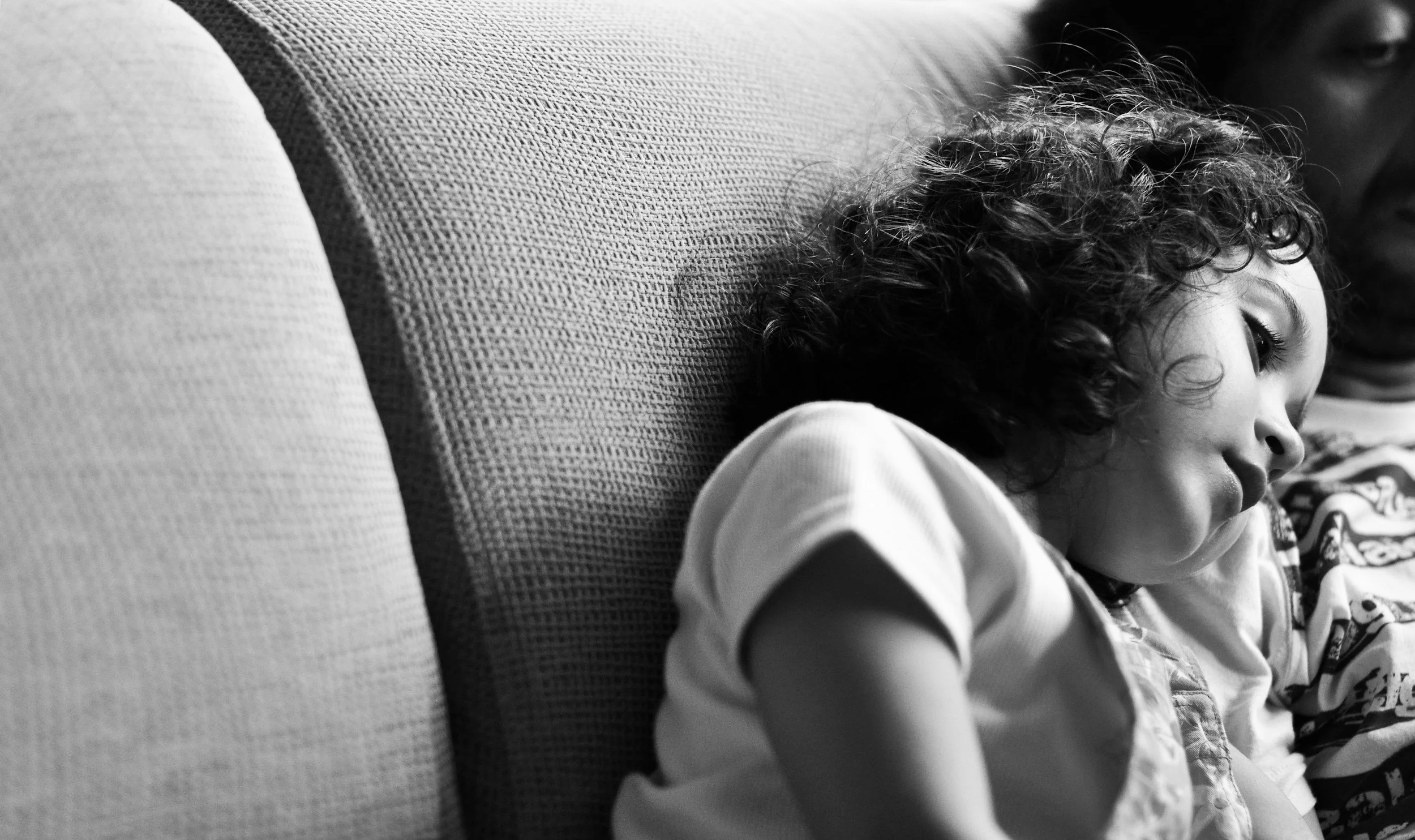
Intentionally Incorporating Rest
It is incredibly important to expose children to a variety of developmentally appropriate experiences in their earliest years. We want them to interact with others, participate in events, try new activities and hobbies, have a variety of sensory experiences, see the world, and be able to encode what people now like to call “core memories.”
…Though this may be a radical suggestion to some, I would like to add something important to that list of early experiences: rest.
Now, when I say rest, I don’t mean a longer-than-usual nap or even “resting” through a jam-packed vacation full of novel experiences. I mean sitting around doing absolutely “nothing” and letting that be enough.

On “Floaties” and Learning To Swim
“Puddle jumpers” or “floaties,” as we’ve come to call them, are a type of personal flotation device for children that have become incredibly popular. From a parent perspective, floaties appear to be a safe way to be more “hands off” with kids in the water as they splash around and have fun. From a child’s perspective, floaties become a comfort and relief as they allow them to be mobile, independent, and best of all–they keep their faces out of the water.
However, many swim instructors stand on their soap boxes and beg parents and families to please stop the overwhelming use of these devices. While floaties may give us the illusion of independence, when misused as a constant swimming “prop,” they have a tendency to set children back as they learn to swim and create fear.
Let’s unpack the facts together so we are prepared to use these devices effectively as we support our children in and out of the water.

Beyond Montessori: A Look at the Roots of Child-Centered Approaches to ECE
Dr. Maria Montessori made incredible contributions to the field of early care and education that we increasingly see the power of today. She was and continues to be a gift to both caregivers of young children and children themselves.
However, today we have a tendency to get confused about when and how to use her name in relation to our youngest children and their care. A quick search for toddler toys returns a large number of “Montessori-inspired” items, leaving us to believe that her approach was defined by wood construction and a colorless palette.
In this article we will ask: what do we really mean when invoke the name of Montessori?

Interactions and Development: The Power of Connection
One thing is directly available to us any time we have children in our care and it can mean everything to their success–our interactions.
…What does that actually mean? Our little moments together. Our conversations. Our rapid-fire, intuition-led responses to children. Our “in the moment” attempts to explain the world to our children as little pieces of it unfold in front of us.

Songs to Pair When Kids Need to “Get the Wiggles Out”
This resource gives educators, family members, and other caregivers some active and calming songs to pair during transitions, “brain breaks,” or when you just need to “herd the cats.”

Understanding Play: Why, how, and when play happens
Despite the ubiquitous nature of play, it remains one of our most misunderstood and underutilized methods of promoting meaningful learning. It is deeply unfortunate that we have this tendency to trivialize play and treat it as a pastime, because it holds enormous potential.
You see, play is more than just a human activity—it is an activity that we see in other animals as well. While we used to think of this as only a mammal behavior, scientists now see that non-mammals play, too. Why?